


Top Solar and Renewable Energy Companies to Watch in the Industry
Discover the leading solar and renewable energy companies driving innovation and sustainability. Learn about their technologies, strategies, and real-world applications.
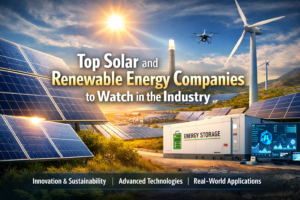
As the world shifts towards a more sustainable future, the solar and renewable energy industry is at the forefront of innovation. With the global solar market projected to reach $1.6 trillion by 2028, it’s essential to identify the top solar and renewable energy companies driving progress and pushing the boundaries of technology. In this article, we’ll delve into the leading solar energy companies, advanced technologies, real-world applications, and innovative solutions that are transforming the industry. We’ll examine the strategies and technologies employed by these companies to maximize efficiency, reduce costs, and increase adoption. With the focus on solar, we’ll explore the latest trends, challenges, and future outlook for the industry, highlighting the critical role of renewable energy in achieving a sustainable future. As we navigate the complexities of the solar industry, we’ll examine the impact of energy storage and grid resilience on the adoption of solar energy, and explore the potential of artificial intelligence in optimizing solar energy production.
Introduction to Solar Energy
Solar energy is a rapidly growing industry, driven by decreasing costs and increasing efficiency. Photovoltaic (PV) systems convert sunlight into electricity, while concentrated solar power (CSP) systems use mirrors or lenses to focus sunlight and generate heat or electricity. According to the International Energy Agency (IEA), solar energy accounted for 3.3% of global electricity generation in 2020, up from 1.4% in 2010. To understand the scope of the industry, let’s examine a real-world example. Enel Green Power, a leading renewable energy company, has installed over 10 GW of solar capacity worldwide, with a goal of reaching 20 GW by 2025. Their Amaravati Solar Park in India, for instance, features 250 MW of solar capacity and generates enough electricity to power 150,000 homes.
Top Solar Energy Companies to Watch
Several companies are at the forefront of the solar industry, driving innovation and adoption. Vestas, a Danish wind turbine manufacturer, is also a leading player in the solar market, with a focus on hybrid power plants that combine wind and solar energy. SunPower, a US-based company, specializes in high-efficiency solar panels and has partnered with leading companies like Tesla to integrate solar energy with energy storage solutions. Trina Solar, a Chinese company, is a leading manufacturer of solar panels and has developed a range of products, including bifacial solar panels that can generate electricity from both the front and back sides. To implement a solar energy system, follow these steps:
* Conduct a site assessment to determine the suitability of the location for solar energy production.
* Install a solar panel system, considering factors like panel efficiency, temperature, and shading.
* Configure a solar inverter to convert DC power to AC power and connect it to the electrical grid.
* Monitor and maintain the system to ensure optimal performance and longevity.
Advanced Solar Energy Technologies
Several advanced technologies are improving the efficiency and reliability of solar energy systems. Perovskite solar cells, for instance, offer higher power conversion efficiency rates than traditional silicon-based solar cells. Bifacial solar panels can generate electricity from both the front and back sides, increasing energy output. Solar windows combine transparent solar panels with traditional windows, generating electricity while still allowing natural light to pass through. Distributed solar power systems involve small-scale solar energy production, often integrated with energy storage solutions. These advanced technologies are critical to reducing the cost of solar energy and increasing adoption.
Real-World Applications of Solar Energy
Solar energy has a wide range of applications, from residential and commercial buildings to industrial processes and transportation. Solar farms, for instance, generate electricity on a large scale, while solar-powered water pumps improve agricultural productivity. Solar windows can power buildings, reducing energy costs and carbon emissions. Electric vehicles can be powered by solar energy, reducing dependence on fossil fuels and greenhouse gas emissions. A real-world example of solar energy in action is the Desertec solar power project, which aims to generate 40 GW of electricity from solar energy in North Africa and transmit it to Europe. However, the project faces significant technical and economic challenges, highlighting the need for innovative solutions and strategic partnerships to drive the adoption of solar energy.
Innovative Solar Energy Solutions
Several innovative solutions are emerging in the solar energy industry, pushing the boundaries of technology and reducing costs. Artificial intelligence (AI) can optimize solar energy production by predicting energy demand, identifying inefficiencies, and adjusting system performance. Energy storage solutions like batteries and fuel cells can store excess energy generated by solar panels, making it available during periods of high demand. Smart grids can integrate solar energy with other renewable sources, improving grid resilience and efficiency. Community solar programs allow multiple stakeholders to share the benefits and risks of solar energy production. These innovative solutions are critical to reducing the cost of solar energy and increasing adoption.
Challenges and Future Outlook for Solar Energy
Despite significant progress, the solar energy industry faces several challenges, including high upfront costs, intermittency, and grid integration. Energy storage solutions can mitigate these challenges, but significant investment is required to scale up production. Policy and regulatory frameworks can support the adoption of solar energy, but inconsistent and unclear policies can create uncertainty. Research and development are critical to improving the efficiency and reliability of solar energy systems. According to the International Renewable Energy Agency (IRENA), solar energy is expected to reach 30% of global electricity generation by 2050, driving economic growth, job creation, and reduced greenhouse gas emissions. To achieve this vision, the solar energy industry must continue to innovate, invest, and collaborate to overcome the challenges and capitalize on the opportunities emerging in the sector.
In conclusion, the solar energy industry is at the forefront of innovation, driven by decreasing costs and increasing efficiency. Several companies are at the forefront of the industry, driving progress and pushing the boundaries of technology. Advanced technologies like perovskite solar cells, bifacial solar panels, and solar windows are improving the efficiency and reliability of solar energy systems. Real-world applications of solar energy include solar farms, solar-powered water pumps, solar windows, and electric vehicles. Innovative solutions like AI, energy storage, smart grids, and community solar programs are emerging in the industry, pushing the boundaries of technology and reducing costs. Despite challenges, the future outlook for solar energy is promising, with significant potential for economic growth, job creation, and reduced greenhouse gas emissions. As the world shifts towards a more sustainable future, the solar energy industry will continue to play a critical role in achieving a cleaner, more efficient, and more resilient energy system.
 Previous Post
 Next Post