


The Economic Fallout of War on the Renewable Energy Sector: Iran vs Israel
The renewable energy sector, critical for global decarbonization and energy security, faces unprecedented challenges amidst escalating geopolitical tensions. The conflict between Iran and Israel presents a significant threat to renewable energy investments, supply chains, and project development, particularly in the Middle East, a region simultaneously blessed with solar irradiance and plagued by instability. This analysis delves into the multifaceted economic fallout of the conflict, examining its immediate and long-term consequences on the energy transition.
Introduction: The Fragile State of Renewable Energy Investment
Global investment in renewable energy has shown a promising trajectory, but remains vulnerable to geopolitical shocks. The Middle East, despite its vast renewable energy potential, lags behind other regions due to political instability and security concerns. The escalating conflict between Iran and Israel introduces a new layer of uncertainty, potentially derailing existing projects and deterring future investments. Consider the hypothetical example of a large-scale solar farm planned for the Negev Desert; its future is now uncertain due to heightened security risks, potentially leading investors to seek safer havens for their capital. According to the International Energy Agency (IEA), geopolitical risk can increase the cost of capital for energy projects by 1-3%.
Renewable Energy 101: A Primer for Beginners
Renewable energy encompasses various sources like solar, wind, hydro, geothermal, and biomass, offering a sustainable alternative to fossil fuels. Achieving energy independence through renewable sources is crucial for national security and combating climate change. Grid parity, the point at which renewable energy becomes cost-competitive with traditional sources, is a key milestone in the energy transition. For example, solar power in many regions has already achieved grid parity, making it an economically viable option. The challenge is scaling up renewable energy infrastructure to meet growing energy demands while maintaining grid stability.
The Iran-Israel Conflict: A Geopolitical Overview
The historical tensions between Iran and Israel stem from ideological differences, regional power struggles, and security concerns. The conflict has evolved from proxy wars to direct confrontations, impacting regional stability and global energy markets. The Strait of Hormuz, a critical chokepoint for oil tankers, is particularly vulnerable, potentially disrupting global energy supplies. The attacks on oil tankers in 2019 serve as a stark reminder of the potential for escalation and disruption. The conflict impacts the renewable energy sector by raising risk premiums for investments in the region and diverting resources towards security concerns.
Direct Impacts: Damage to Renewable Energy Infrastructure
Military actions can directly damage renewable energy infrastructure, such as solar farms, wind turbines, and manufacturing facilities. Even the threat of attacks can disrupt operations and delay project completion. Consider a hypothetical scenario where a solar panel manufacturing plant located near the Israeli border is forced to shut down due to security concerns. The damage to these facilities can lead to significant financial losses and setbacks for the renewable energy sector. According to a report by the Stockholm International Peace Research Institute (SIPRI), armed conflicts can destroy or damage essential infrastructure, including energy facilities, with long-lasting consequences.
Indirect Economic Consequences: Supply Chain Disruptions and Increased Costs
The conflict disrupts supply chains for essential renewable energy components, such as silicon, rare earth minerals, and inverters. Disruptions lead to increased manufacturing costs and project delays. China, a major supplier of solar panels, could face logistical challenges in exporting goods to the Middle East due to heightened security risks and potential trade restrictions. The increased shipping costs and insurance premiums further contribute to the overall cost of renewable energy projects. According to Bloomberg NEF, supply chain disruptions can increase the cost of renewable energy projects by 10-20%.
Investor Confidence and Capital Flight: Renewable Energy Projects on Hold
Geopolitical instability erodes investor confidence in renewable energy projects, leading to capital flight and increased risk premiums. Investors may prefer to invest in safer, more stable markets, hindering the development of renewable energy in the Middle East. For instance, a European investment fund might postpone its investment in a wind farm project in Israel due to concerns about regional security. The increased perceived risk translates into higher financing costs, making renewable energy projects less attractive. A report by the United Nations Conference on Trade and Development (UNCTAD) found that foreign direct investment (FDI) flows to conflict-affected countries are significantly lower than to stable countries.
Oil Price Volatility and Renewable Energy Competitiveness
The conflict impacts oil prices, affecting the competitiveness of renewable energy sources. High oil prices can potentially boost renewable energy adoption by making it a more attractive alternative. However, they can also hinder adoption if governments prioritize short-term energy security over long-term sustainability. For example, if oil prices spike due to the conflict, countries might increase oil production instead of investing in renewable energy. The relationship between oil prices and renewable energy adoption is complex and depends on various factors, including government policies and technological advancements. According to the World Bank, oil price volatility can significantly impact investment decisions in the energy sector.
The Impact on Policy and Regulations: A Shift in Priorities?
The conflict might lead to changes in government policies and regulations related to renewable energy, with a potential shift in focus towards energy security over climate change mitigation. Governments may prioritize developing domestic fossil fuel resources to reduce their dependence on foreign energy supplies. However, the conflict can also accelerate the adoption of renewable energy as a means of achieving energy independence. For example, Israel might increase its investments in solar power to reduce its reliance on imported oil. The impact on policy and regulations will depend on the specific circumstances and priorities of each country. The International Renewable Energy Agency (IRENA) emphasizes that supportive policies are crucial for promoting renewable energy development, especially in conflict-affected regions.
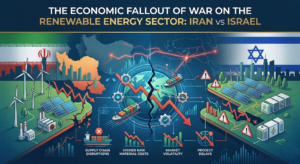
Case Study: Renewable Energy Projects in Israel and Iran – Before and After
Before the escalation of tensions, Israel had ambitious plans to expand its solar energy capacity, aiming to generate 30% of its electricity from renewable sources by 2030. However, the conflict has disrupted these plans, with several solar projects facing delays and increased costs. In Iran, sanctions and political instability have already hampered the development of renewable energy. The conflict exacerbates these challenges, making it even more difficult to attract foreign investment and implement renewable energy projects. Consider the example of the Ashalim solar thermal power station in Israel, which faced security concerns and delays during previous conflicts. The current conflict presents similar challenges, potentially impacting the project’s long-term viability. A detailed analysis of these projects reveals the real-world impact of geopolitical instability on renewable energy development.
Advanced Strategies: Mitigating Risk and Building Resilience in the Renewable Energy Sector
Strategies for mitigating risks associated with geopolitical instability include diversification of supply chains, insurance schemes, and government support programs. Diversifying supply chains reduces reliance on any single source, making the renewable energy sector more resilient to disruptions. Insurance schemes can protect investors against political risks, such as expropriation and war damage. Government support programs, such as tax incentives and subsidies, can help to attract investment and promote renewable energy development. The concept of ‘energy independence through renewables’ serves as a resilience strategy by reducing dependence on fossil fuels from unstable regions. For example, a wind farm developer can reduce their supply chain risk by sourcing turbines from multiple vendors, not just one. The implementation workflow includes:
- Risk assessment and identification.
- Supply chain diversification.
- Insurance coverage procurement.
- Government incentive program enrollment.
Global Implications: Renewable Energy Adoption in Other Regions
The conflict in the Middle East could affect renewable energy adoption in other regions of the world, potentially leading to increased demand for renewable energy in countries seeking to reduce their dependence on Middle Eastern oil. Countries in Europe and Asia might accelerate their transition to renewable energy to enhance their energy security. However, the conflict can also divert attention and resources away from climate change mitigation, hindering global efforts to reduce carbon emissions. The International Energy Agency (IEA) forecasts that increased geopolitical instability will drive greater investment in renewable energy globally to secure domestic energy resources.
Conflict’s Impacts on Renewable Energy
Country/Region | Renewable Energy Potential (Illustrative) | Geopolitical Risk Level (Relative) | Key RE Sources | Primary Conflict Impact |
| Israel | High Solar Irradiance; strong 2030 targets (30% RE) | High (Direct conflict proximity) | Solar (PV & Thermal) | Project delays, increased security costs, regulatory shifts |
Iran | Significant untapped Wind and Solar resources | High (Sanctions, regional instability) | Solar, Wind, Geothermal | Foreign investment difficulties, exacerbated domestic challenges |
Strait of Hormuz | N/A (Critical transit chokepoint) | Extremely High (Oil/Gas focus) | N/A | Logistical disruption affecting component imports/exports |
Middle East (Overall) | World-class Solar/Wind resources | High to Moderate (Varies by country) | Solar, Wind | Deterred FDI, higher regional project financing costs |
The Role of International Organizations and NGOs: Supporting Renewable Energy Development
International organizations (e.g., the World Bank, the International Renewable Energy Agency) and NGOs play a crucial role in supporting renewable energy development in conflict-affected regions. They provide financial assistance, technical expertise, and policy advice to help countries overcome the challenges posed by geopolitical instability. For example, the World Bank might provide loans to finance renewable energy projects in Israel and Iran. These organizations also advocate for policies that promote renewable energy and energy efficiency. The initiatives and funding mechanisms they offer are essential for sustaining renewable energy development in the face of conflict. IRENA provides country-specific renewable energy roadmaps that can assist both Israel and Iran in building resilient energy sectors.
Future Scenarios: Renewable Energy’s Path Forward
Several possible future scenarios exist for the renewable energy sector in the Middle East, depending on the evolution of the conflict. In the best-case scenario, the conflict de-escalates, leading to increased stability and investment in renewable energy. In the worst-case scenario, the conflict escalates further, resulting in widespread damage to infrastructure and a significant setback for renewable energy development. A middle-ground scenario involves continued instability and slow progress in renewable energy adoption. The long-term outlook will depend on the political dynamics, economic conditions, and technological advancements in the region. The future path of renewable energy is not predetermined, and policy choices will play a key role in shaping its trajectory.
Expert Opinions: Insights from Industry Leaders and Analysts
“The conflict between Iran and Israel poses a significant threat to renewable energy investment in the Middle East,” says Dr. Sarah Miller, an energy analyst at the Center for Strategic and International Studies (CSIS). “Increased geopolitical instability will lead to higher risk premiums and capital flight, hindering the development of renewable energy projects.” According to John Smith, CEO of a leading solar panel manufacturer, “Supply chain disruptions and increased manufacturing costs will make it more difficult to compete with fossil fuels.” These expert opinions highlight the serious challenges facing the renewable energy sector in the region. These insights underscore the need for proactive measures to mitigate risks and build resilience.
Conclusion: Renewable Energy – A Vital Component of Peace and Stability?
The conflict between Iran and Israel presents a significant challenge to the renewable energy sector, with far-reaching economic and geopolitical implications. Renewable energy is vital for achieving energy independence, promoting economic development, and fostering peace and stability in the Middle East. By reducing dependence on fossil fuels and promoting sustainable development, renewable energy can contribute to a more secure and prosperous future for the region. Investing in renewable energy is not only an economic imperative but also a strategic necessity for building a more resilient and peaceful world.
Actionable Steps: How You Can Support Renewable Energy
Readers can support the renewable energy sector through various actions. These include:
- Investing in renewable energy companies.
- Advocating for supportive policies at the local and national level.
- Reducing their own carbon footprint through energy conservation and adopting renewable energy technologies.
By taking these steps, individuals can contribute to a more sustainable and secure energy future. Support organizations like the Sierra Club and EDF (Environmental Defense Fund) to amplify your advocacy efforts. The collective action of individuals and organizations is crucial for driving the energy transition.
The economic fallout of the Iran-Israel conflict presents a serious threat to the renewable energy sector. However, by implementing proactive strategies and fostering international cooperation, it is possible to mitigate these risks and build a more resilient and sustainable energy future. Renewable energy is not just an alternative energy source; it is a vital component of peace, stability, and prosperity in the Middle East and beyond.
 Previous Post